Dietary Patterns and Sex Hormone-Binding Globulin
Exploring observational associations between Mediterranean and plant-rich dietary patterns and SHBG levels
What is SHBG and Its Role in Hormone Bioavailability
Sex hormone-binding globulin (SHBG) is a glycoprotein synthesized primarily in the liver that binds testosterone, estradiol, and other steroid hormones circulating in the blood. The bound forms of sex hormones are biologically inactive; only the free (unbound) and loosely albumin-bound fractions are available for cellular uptake and receptor activation. SHBG levels thus directly influence the fraction of circulating sex hormones that are bioavailable to tissues.
Higher SHBG levels reduce the free fraction of sex hormones, while lower SHBG increases free hormone availability. The relationship between SHBG, hormone binding, and tissue effects is complex; SHBG itself has been shown to have signaling effects through membrane-based receptors, adding layers of regulation beyond simple hormone buffering.
Dietary Composition and SHBG Production
SHBG synthesis is influenced by multiple hormonal and nutritional factors. Insulin suppresses SHBG expression in hepatocytes; higher insulin levels or insulin resistance are associated with lower SHBG levels. Dietary patterns that improve insulin sensitivity—including plant-rich, whole-grain-based diets low in processed foods—tend to be associated with higher SHBG levels.
Specific dietary components may also directly influence SHBG synthesis. Fiber intake has been associated with higher SHBG levels in observational studies. Plant polyphenols and phytoestrogens possess weak estrogenic activity and may modulate SHBG expression through estrogen receptor signaling. Fat type, protein distribution, and overall micronutrient density all contribute to the metabolic milieu affecting hepatic SHBG production.
Mediterranean Dietary Pattern and SHBG
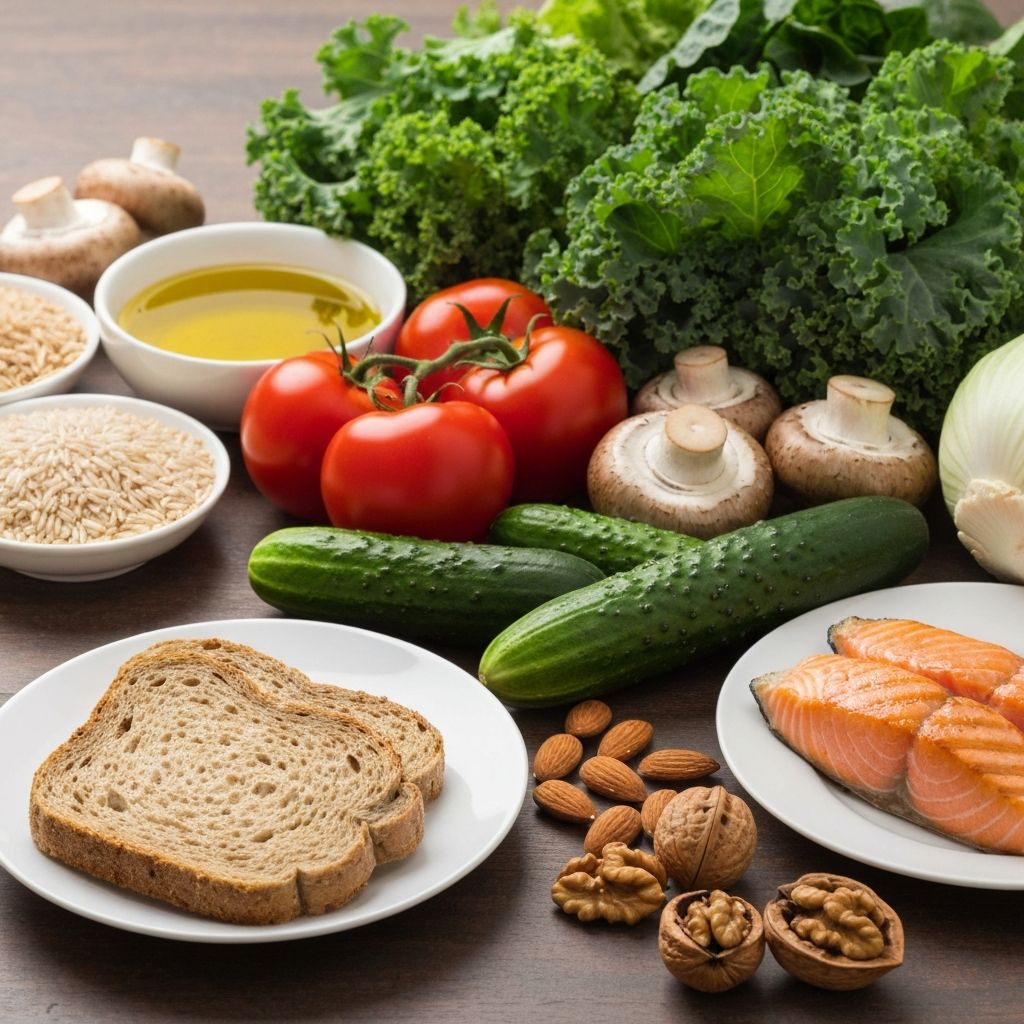
The Mediterranean dietary pattern, characterized by abundant plant foods (vegetables, fruits, legumes, whole grains), olive oil as the primary fat source, moderate fish and seafood intake, limited red meat consumption, and moderate dairy intake, has been associated with higher SHBG levels and improved insulin sensitivity in multiple observational cohorts. The pattern's emphasis on olive oil and fish provides omega-3 fatty acids and anti-inflammatory polyphenols that may support favorable metabolic profiles.
Randomized controlled trials examining Mediterranean diet interventions have documented improvements in insulin sensitivity, inflammatory markers, and metabolic syndrome components, though effects on circulating sex hormones vary among studies. Long-term observational associations may reflect both direct dietary effects and the lifestyle context associated with Mediterranean patterns (greater physical activity, stronger social connections, lower stress in some populations).
Plant-Based and High-Fiber Dietary Patterns
Plant-based dietary patterns rich in vegetables, fruits, whole grains, legumes, nuts, and seeds provide high fiber content and phytonutrient density. Observational studies of vegetarians and vegans consistently document higher SHBG levels compared to omnivorous populations consuming average amounts of processed foods. Higher fiber intake may enhance the enterohepatic circulation of estrogens, reducing reabsorption and promoting clearance, which could indirectly affect SHBG through reduced estrogen-mediated suppression of SHBG synthesis.
Additionally, plant-based diets tend to be lower in saturated fat and higher in polyunsaturated fat and fiber, factors independently associated with improved insulin sensitivity and higher SHBG levels.
Limitations and Confounding in Observational Research
Observational associations between dietary patterns and SHBG or sex hormone levels should be interpreted with awareness of confounding and reverse causality. Individuals adopting Mediterranean or plant-based patterns often differ in multiple ways from control groups—including physical activity level, body composition, stress levels, sleep quality, and overall health consciousness. These factors independently influence SHBG and sex hormones.
Randomized controlled feeding trials in specific populations provide more mechanistic insight but often involve small samples and short durations. Individual variability in SHBG response to dietary interventions is substantial, reflecting genetic differences in the SHBG gene itself and differences in insulin sensitivity, baseline metabolic health, and body composition.
The Relationship Between SHBG and Health Outcomes
While higher SHBG generally reduces free sex hormones, the relationship between SHBG levels and health outcomes is not straightforward. SHBG has been inversely associated with type 2 diabetes risk independent of sex hormone levels, suggesting effects beyond hormone binding. Some data suggest that very high SHBG levels may have adverse effects in certain populations. The optimal SHBG level may depend on individual hormonal contexts and health goals.
Educational Context
This article explains the observed associations between dietary patterns and SHBG levels documented in research. It does not recommend specific dietary changes for modifying SHBG or sex hormone levels. Individual hormone and metabolic assessment should guide any dietary modifications, conducted with professional guidance.